01 Initial Assessment
Assess hair and skin colour, hair density and the areas you wish to treat.

Explore options for defining your beard line and reducing hair growth, with guidance on sessions and skin aftercare.
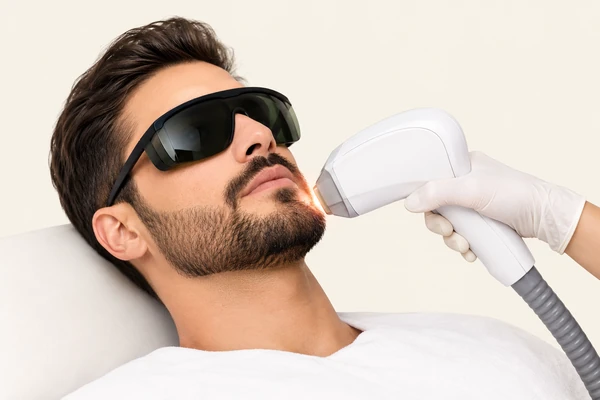
Laser may reduce hair growth in selected areas around the cheeks and neck. Results vary depending on hair and skin colour, hair density and the treatment area.
A qualified practitioner should assess your skin, hair and medical history before deciding whether treatment is suitable and selecting the settings.
Treatment usually requires multiple sessions. The number depends on hair response and the practitioner’s assessment.
Assess hair and skin colour, hair density and the areas you wish to treat.
Six or more sessions may be needed, although the actual number varies from person to person.
Your response is reviewed after sessions to determine whether further treatment or adjustments are needed.
The interval between sessions is determined by the practitioner according to the treatment area and hair growth cycle; it may be several weeks.
White or grey hair generally responds poorly to laser because it contains little or no melanin, the pigment targeted by the laser.
Electrolysis may be an alternative for some people. Consult a qualified practitioner to identify the most suitable option.
Some temporary reactions may occur after treatment, and their severity varies from person to person.
Temporary redness or warmth may occur. Follow the aftercare instructions provided by your practitioner.
Mild swelling around hair follicles may occur. Avoid rubbing the area and monitor unusual symptoms.
Changes in skin pigmentation can occur, particularly with unsuitable settings or sun exposure.
Irritation or burns may occur. Seek medical assessment if you develop severe pain, blisters or worsening symptoms.
Do not start medicated creams, antibiotics or corticosteroids on your own. A doctor should determine whether a product is needed and specify the appropriate type and use.
If blisters, severe pain or increasing swelling develop, seek medical advice rather than experimenting with home treatments.
Avoid rubbing the skin or using harsh exfoliants until it settles.
Use suitable sun protection outdoors and follow your practitioner’s instructions.
Avoid excessive heat and activities that may temporarily worsen irritation if advised.
Tell your practitioner about any unusual reaction before your next session.
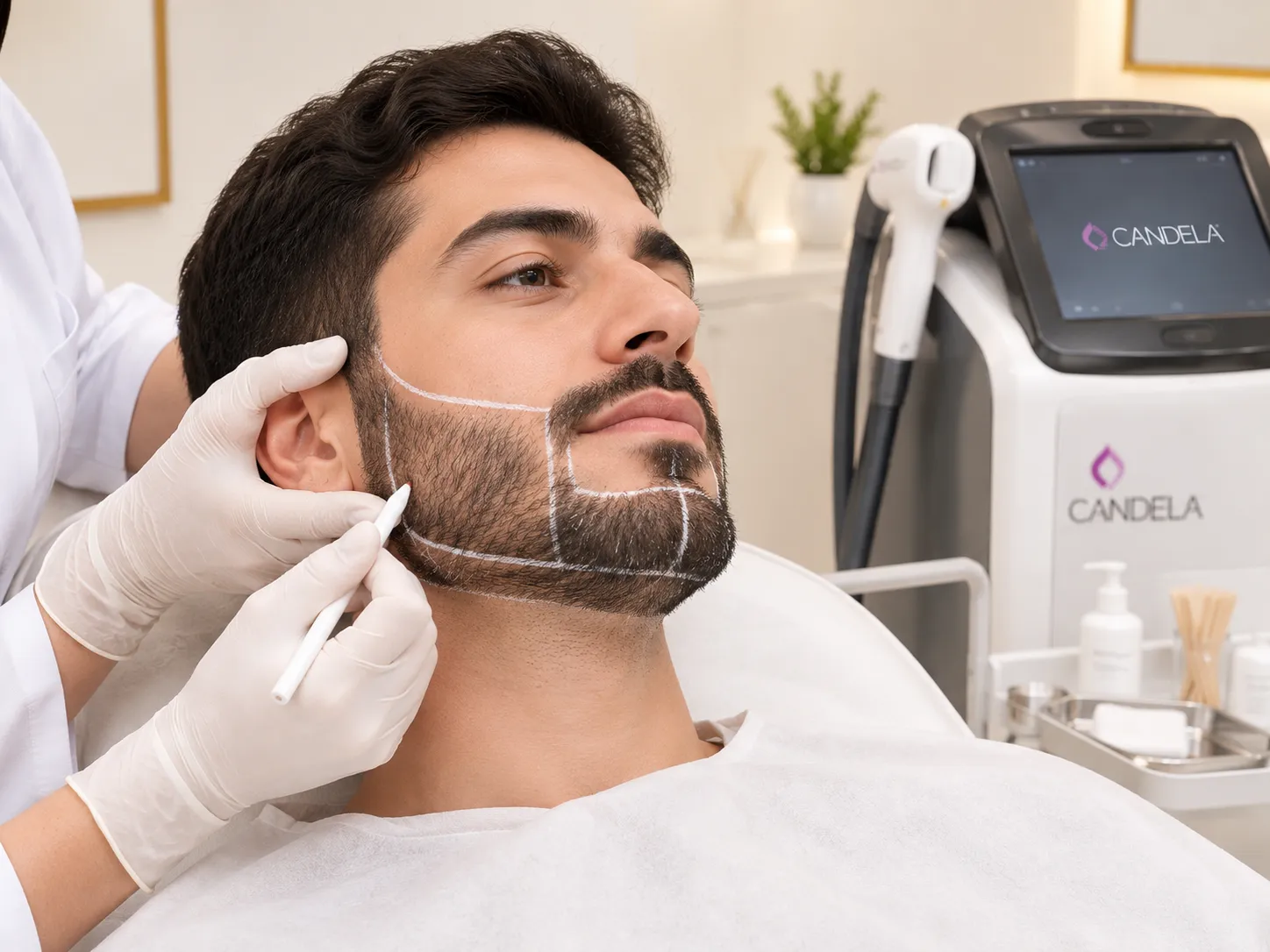
Laser can provide long-term hair reduction, but maintenance sessions may be needed and results vary.
White hair generally responds poorly to laser. A practitioner can discuss alternatives such as electrolysis.
It depends on your skin. Ask your doctor which products are appropriate and do not use medicated creams without medical guidance.
Contact us to enquire about the service, appointment availability and further information.