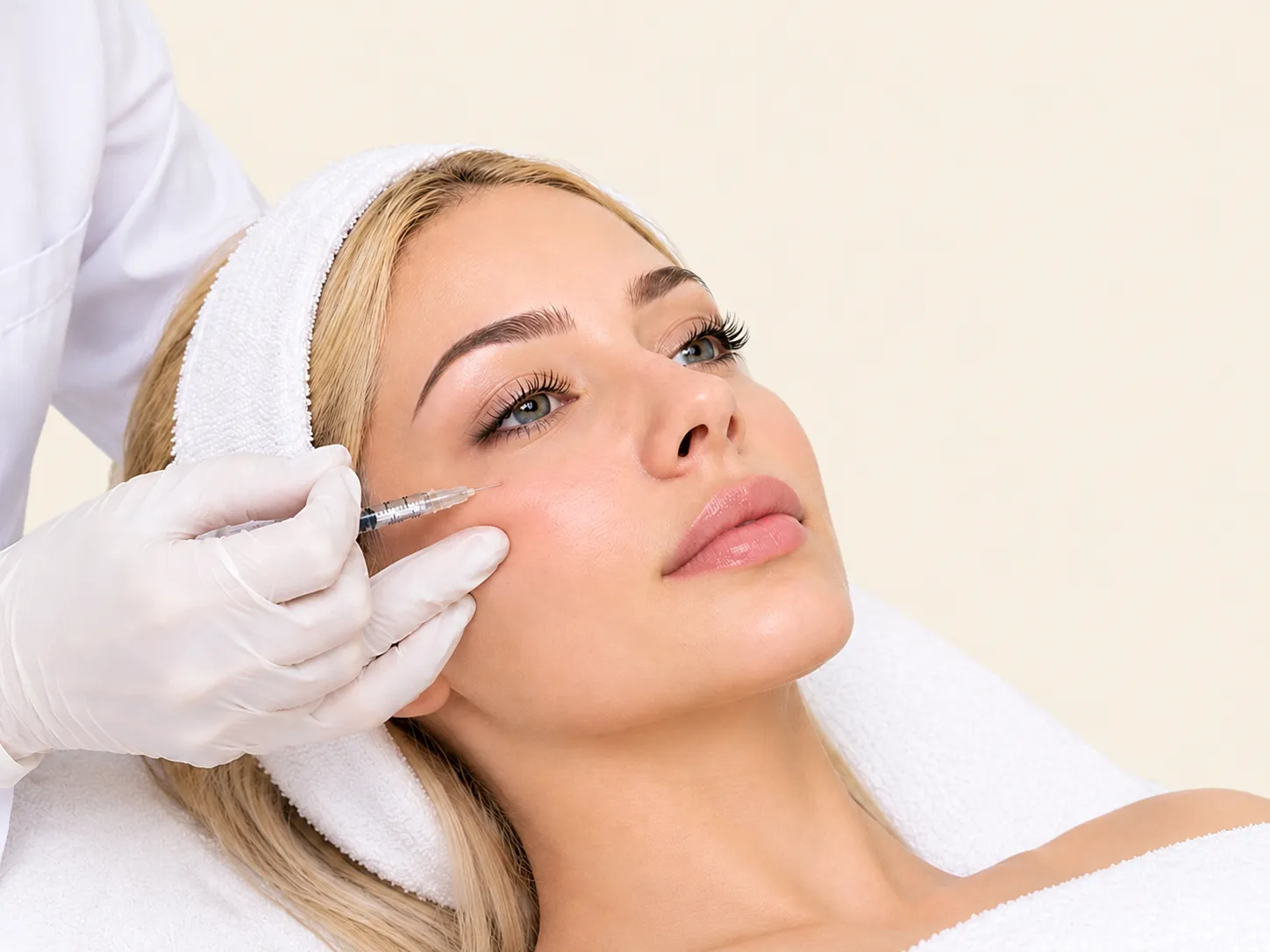
Injectables

Botox
and Fillers

Learn about the differences between Botox and fillers, how each works, expected results, possible side effects, and how the specialist chooses the right option for your case.

✦ Service information · Direct enquiry
Botox and fillers in Abu Dhabi
✧
Personalised Assessment Start with a consultation
Understanding the Procedure

Botox and Fillers
Are Not the Same

Botox and fillers are among the most common non-surgical cosmetic procedures, but they differ completely in how they work and what they target. Botox temporarily relaxes facial muscles to treat dynamic and expression lines, while fillers use injectable materials under the skin to add volume or restore lost fullness.

The choice depends on the area being treated, the type of wrinkles or lines, medical history, and the desired result. In many cases, they can be combined for a more balanced and youthful appearance.

Common Questions Before the Procedure

What Would You Like
to Know?

What is the Difference?

Botox temporarily relaxes facial muscles to treat dynamic wrinkles, while fillers add volume or restore lost fullness in areas such as lips, cheeks and chin.

When Do Results Appear?

Botox results begin within 3–7 days and complete within two weeks. Fillers show results immediately and settle within one to two weeks.

How Long Do Results Last?

Botox typically lasts 3–6 months, while fillers last 6–18 months depending on the material and injection area.

Can They Be Combined?

Yes, in many cases Botox and fillers can be combined for a more balanced look — Botox for the upper face and fillers to restore volume in the lower face.

Treatment Options

Botox or Fillers
Which Suits You?

1

Botox

Botox uses a protein (botulinum toxin) that temporarily relaxes or stops facial muscle movement. Its primary purpose is to treat and prevent dynamic and expression lines caused by repeated muscle movement.

  • Forehead lines: Horizontal wrinkles from raising the eyebrows.
  • Frown lines: Vertical lines between the eyebrows from frowning.
  • Crow's feet: Lines around the eyes from smiling and laughing.
  • Brow lift: For a more open and refreshed appearance.
  • Excessive sweating: In underarms, palms and feet in selected cases.
Botox results begin within 3–7 days and complete within two weeks, typically lasting 3–6 months.
2

Fillers

Fillers use injectable materials (most commonly hyaluronic acid) under the skin to add volume, restore lost fullness, or define facial contours.

  • Static line filling: Such as smile lines (nasolabial folds) and marionette lines.
  • Lip enhancement: To improve size, shape and symmetry.
  • Cheek contouring: To restore lost volume with ageing.
  • Chin and jawline definition: To improve facial harmony.
  • Under-eye hollows: In selected cases after assessment.
Filler results appear immediately and settle within one to two weeks, lasting 6–18 months depending on the material and area.
3

Combining Botox and Fillers

In many medical and cosmetic cases, Botox and fillers are combined for a more balanced and youthful appearance. Botox is used for the upper (muscular) face and fillers to restore volume in the lower face or cheeks.

  • Comprehensive assessment: The specialist assesses facial features, muscle movement and individual needs.
  • Integrated plan: Determines whether Botox, fillers or both are suitable for your case.
  • Timing: Both may be performed in the same session or in stages depending on the plan.
  • Results: Combining them often gives a more harmonious and natural result.
No single protocol suits everyone. The specialist determines the right plan after careful assessment.
4

Preparing for the Procedure

Before the procedure, the specialist assesses your case, medical history, medications and allergies, and explains the expected result and potential side effects.

  • Avoid blood thinners (such as aspirin) before the procedure, after consulting your doctor if you use them.
  • Avoid intense exercise and alcohol at least one day before the procedure.
  • Inform the specialist of any allergies, chronic conditions, medications or possible pregnancy.
  • Avoid sun exposure or sauna at least one day before the session.
Side Effects

What Can Happen
After Injection?

1

Common & Temporary Side Effects

Most side effects after Botox or fillers are mild and temporary, resolving within days to a few weeks.

  • Redness or swelling: At the injection site, usually resolving within days.
  • Bruising: Common especially with fillers, resolving within a week.
  • Pain or tenderness: Discomfort at the injection site.
  • Temporary headache: May occur after Botox in selected cases.
  • Temporary asymmetry: May appear initially due to swelling and settles once it subsides.
Most of these resolve within 14 days. If they persist beyond two weeks or worsen, consult your specialist.
2

Less Common Complications

Some complications require medical assessment, but are rare when injections are performed by a qualified specialist.

  • Eyelid or brow droop: May occur after forehead Botox in rare cases and usually resolves gradually.
  • Noticeable asymmetry: May require a correction session.
  • Lumps: With fillers, may appear in specific cases.
  • Infection: Rare with proper care.
3

Rare but Serious Complications

These are very rare but require immediate medical attention.

  • Vascular occlusion: With fillers, can cause ischemia or skin necrosis. Requires immediate hyaluronidase injection.
  • Visual problems: Very rare, in specific cases of facial filler.
  • Severe allergic reaction: Rare, to filler or Botox components.
  • Toxin spread: With Botox, in rare cases may cause symptoms in other areas.
If you experience severe pain, skin colour change, vision problems or difficulty breathing, seek emergency medical care immediately.
Reversibility

Can Results
Be Reversed?

1

Can Botox Results Be Reversed?

There is no direct "antidote" for Botox, but its effects fade gradually over time.

  • Botox effects typically fade within 3–6 months on their own.
  • In rare cases of drooping, certain drops or waiting until the effect fades may help.
  • Contacting the specialist is essential if unusual symptoms appear.
Do not attempt to "dissolve" Botox yourself or with home products. Follow the specialist's instructions and wait for the effect to fade.
2

Can Fillers Be Dissolved?

If the filler used is hyaluronic acid (the most common type), it can be dissolved using an enzyme called hyaluronidase.

  • The enzyme is injected into the filler area, breaking down the hyaluronic acid.
  • Results begin within 24–48 hours and are usually complete within two weeks.
  • Some cases may require more than one session.
  • The entire filler or just part of it can be dissolved.
Before dissolving, inform your doctor of any previous allergies, especially to bee stings. Not all fillers are dissolvable.
3

When Can You Repeat the Procedure?

If you want to repeat the procedure after dissolving or after the effect fades, there are important timing considerations.

  • After dissolving filler: waiting two to four weeks is advised.
  • After Botox fades: repeat when muscle movement returns.
  • Always consult the specialist before repeating the procedure.
Treatment Stages

The Botox
and Fillers Journey

Results vary from person to person depending on the procedure, treatment area and adherence to aftercare. The images below show the general stages.

Before — Assessment and Preparation Before

Assessment and Preparation

The specialist assesses facial features, muscle movement and individual needs, then explains the expected result and required preparation.
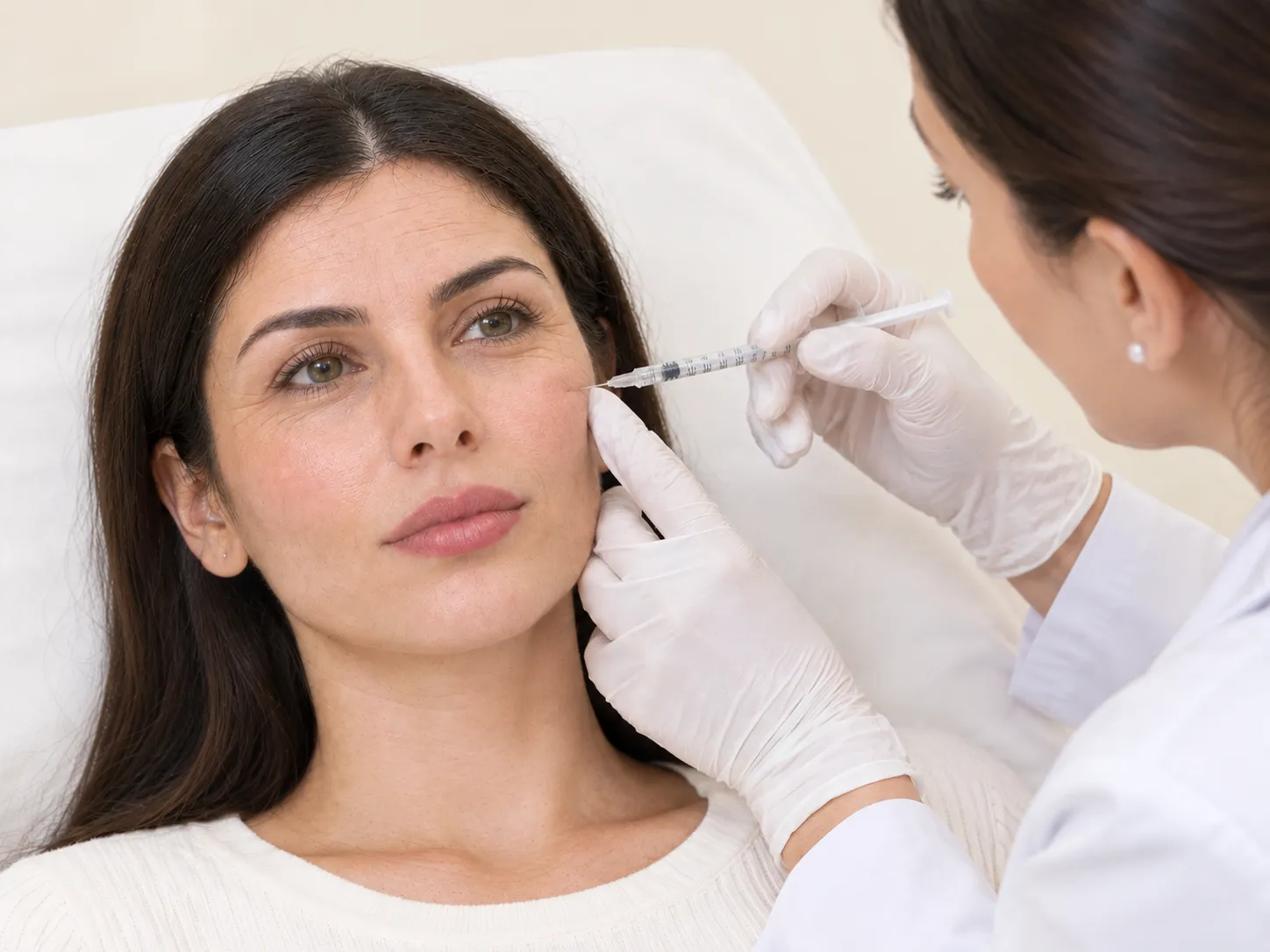
During — The Procedure During

The Procedure

Injections are performed precisely after identifying the right points, usually taking 15 to 30 minutes.
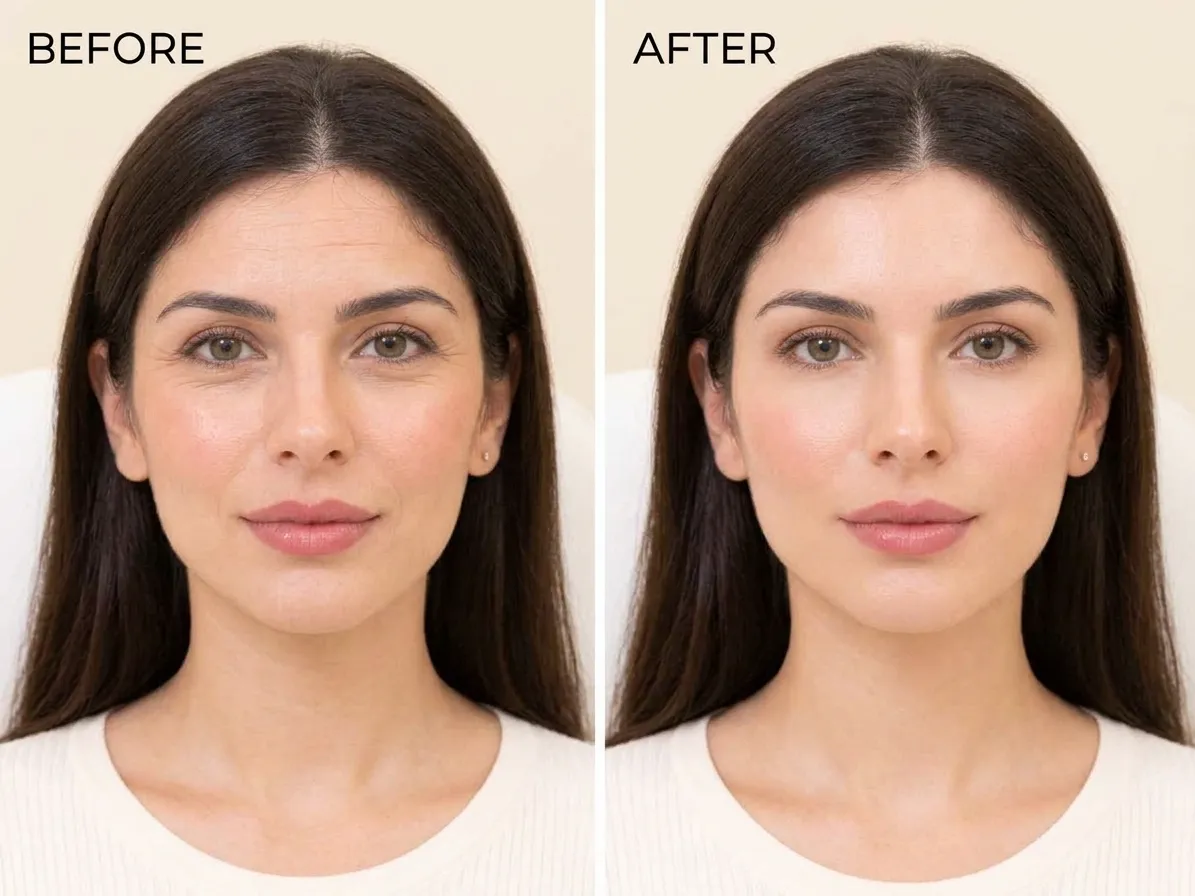
After — Results and Care After

Results and Care

Results appear gradually after Botox, or immediately after fillers, with adherence to aftercare instructions.

Aftercare

Steps That Help
Recovery and Results

Cold Compresses

Gently apply cold compresses to the area in the first 24 hours to reduce swelling and bruising.

Avoid Heat

Avoid direct heat exposure (sauna, steam room, strong sun) for at least 48 hours.

Follow-Up

Follow the specialist's instructions and contact them immediately if unusual symptoms or complications appear.

Frequently Asked Questions

Questions About
Botox and Fillers

What is the main difference between Botox and fillers?
Botox temporarily relaxes facial muscles to treat dynamic wrinkles, while fillers add volume or restore lost fullness in areas such as lips, cheeks and chin.
Can Botox and fillers be combined in the same session?
Yes, in many cases they can be combined in the same session or in stages according to the specialist's plan, for a more balanced appearance.
How long do Botox and filler results last?
Botox typically lasts 3–6 months, while fillers last 6–18 months depending on the material and injection area.
Can filler results be reversed?
Yes, if the filler is hyaluronic acid, it can be dissolved using hyaluronidase enzyme. Other types may not be dissolvable.
Is the procedure painful?
You may feel some discomfort during injections, so topical numbing creams are often used. Most people return to daily activities right after.
When can I return to daily activities?
You can return to most daily activities immediately, avoiding intense exercise and heat for 24 to 48 hours according to the specialist's instructions.
We welcome your enquiry

Thinking About Botox or Fillers?

Contact us via WhatsApp to ask about the service and available appointments.

Contact Us on WhatsApp