Hair Reduction
Treatment can gradually reduce hair growth over multiple sessions planned for the individual.

Discover how laser hair removal works, the areas that may be treated, session planning and preparation and aftercare. A suitable treatment plan depends on an individual assessment of skin, hair and medical history.
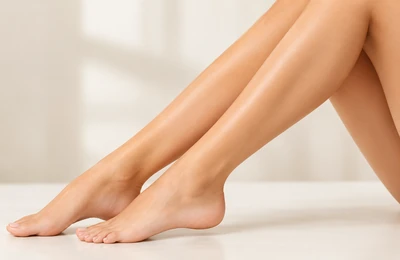
Laser hair removal uses light energy directed at pigment in hair follicles to help reduce hair growth over time. Results vary according to hair colour, skin tone, treatment area and device, and permanent removal of all hair cannot be guaranteed.
Treatment can gradually reduce hair growth over multiple sessions planned for the individual.
Assessment of skin tone, hair characteristics and medical history helps guide suitable settings.
Follow-up or maintenance sessions may be needed depending on response and regrowth.
Suitable treatment areas depend on the individual and the device used. A practitioner can assess each area during consultation.
Depending on suitability, treatment may include areas such as the upper lip, chin and sideburns.
Laser hair reduction may be considered for the underarms, forearms and other suitable areas of the arms.
Treatment options may include the lower legs or the full legs, depending on the individual plan.
Suitable areas of the back and chest can be assessed during the initial consultation.
Available treatment areas should be discussed privately with the qualified practitioner before treatment.
The practitioner can assess other areas and explain whether laser treatment is appropriate.
Discuss your goals, medical history, skin tone, hair characteristics and any medicines you use.
The practitioner assesses suitability, explains expected results and plans the sessions and intervals.
Protective eyewear and suitable equipment settings should be used during treatment.
Follow the aftercare instructions and attend follow-up sessions when recommended.
Session duration and the number of treatments depend on the size of the area, hair characteristics, skin tone and individual response. Multiple sessions are generally needed because hairs are not all in the same growth phase at the same time.
Small areas may take only a few minutes, while larger areas take longer. Treatment area and equipment affect session duration.
Many people may need around 4–6 sessions or more, but there is no fixed number. A treatment plan should be based on individual assessment.
Intervals may be several weeks apart. Your practitioner will recommend timing based on the area and hair-growth cycle.
Results vary between individuals. Some regrowth may occur, and maintenance sessions may be needed.
Following your practitioner’s instructions helps manage risks and prepare the skin for treatment.
Skin may be temporarily sensitive or red after treatment. Follow your individual aftercare guidance and avoid products or activities that could worsen irritation.
Temporary side effects may include redness, swelling and discomfort. Less common risks include burns, blisters, infection, scarring and pigmentation changes. Treatment should be performed by a qualified practitioner using equipment suitable for the skin type.
Tell your practitioner about medicines, recent tanning, skin conditions, previous scarring, skin infections and cold sores.
Tell your practitioner if you are pregnant or may be pregnant, and disclose all medicines. Treatment may be postponed after assessment.
Seek medical advice for severe pain, blisters, worsening redness, signs of infection or concerning skin changes.
Explore laser equipment, treatment areas and the treatment environment. Illustrative images do not guarantee particular treatment outcomes.
The number varies with the treatment area, hair characteristics, skin type and response to treatment. Multiple sessions are usually required, and maintenance sessions may be needed.
Intervals depend on the treatment area and your hair-growth cycle. Your practitioner will recommend a schedule suited to your individual needs.
People may experience brief warmth, tingling or a snapping sensation. Comfort varies by person and area, and the practitioner can explain available comfort measures.
Laser treatment can provide long-term hair reduction, but it cannot guarantee that all hair will be permanently removed. Some regrowth and maintenance treatment may occur.
Suitability depends on skin tone, hair colour, hair thickness and the device used. Very light, grey, white or red hair may respond less well to some laser systems. An assessment is important.
Temporary redness, swelling and discomfort can occur. Less common risks include burns, blisters, infection, scarring and changes in skin pigmentation. Discuss your individual risks with a qualified practitioner.
Tell your practitioner about pregnancy, possible pregnancy and all medicines you take. Treatment may be postponed or adjusted following a professional assessment.
Many people return to their usual activities soon after treatment, although temporary skin irritation can occur. Follow the specific aftercare instructions provided to you.
Contact us to enquire about the service, appointment availability and further information.
The information on this page is general and does not constitute a diagnosis or personalised treatment recommendation. Suitability, results and risks depend on an individual assessment by a qualified practitioner.