Lip Enhancement

Lip Filler
and Enhancement

A complete guide to lip filler and lip enhancement using hyaluronic acid. Learn about types, steps, results, side effects, and how to choose a qualified specialist.

✦ Procedure information · Direct enquiry
Lip filler and lip enhancement in Abu Dhabi
✧
Personalised Assessment Start with a consultation
Understanding the Procedure

Natural Volume
and Thoughtful Symmetry

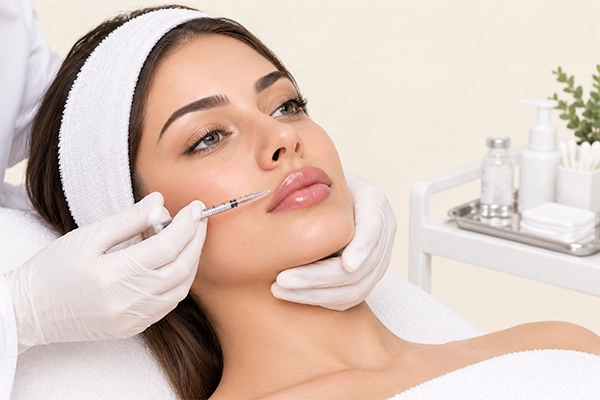
Lip filler and lip enhancement is a non-surgical cosmetic procedure that uses injectable fillers under the skin to improve lip size, shape and harmony with facial features. The most commonly used material is hyaluronic acid filler, a substance naturally present in the body.

The specialist chooses the filler type, amount and injection points based on facial assessment and the desired result, following safety standards and appropriate doses. Lip filler can look natural when the right amount and appropriate filler type are selected.

What Would You Like to Know?

Common Questions
Before the Procedure

What is Lip Filler?

A non-surgical cosmetic procedure that uses injectable fillers under the skin to improve lip size, shape and symmetry. Hyaluronic acid fillers are the most commonly used.

How Long Does It Last?

Duration varies by filler type, treatment area and the body's response. Results often last from several months to over a year, and a touch-up session may be needed to maintain the shape.

Is It Painful?

You may feel some discomfort during injections, so topical numbing creams are often used. Most people return to daily activities right after, with some temporary swelling.

Filler Options

Types of Lip Filler
and What Suits You

1

Hyaluronic Acid Fillers

The most commonly used type in lips. A substance naturally present in the body, used to restore volume and improve shape and symmetry. Available in different particle types and sizes depending on the area.

  • Basic lip filler: To increase volume and improve fullness, chosen based on lip elasticity and desired volume.
  • Border-defining filler: To refine lip contours and define the mouth line for a harmonious look.
  • Symmetry correction filler: To address mild asymmetry between upper and lower lips or between sides.
Only approved fillers should be used, and the procedure must be performed by a qualified specialist after assessing the case and medical history.
2

Other Filler Materials

In addition to hyaluronic acid, other filler types exist for specific cases, though they are less common in lips. The specialist determines the appropriate type based on the case.

  • Semi-permanent filler: Lasts longer but does not break down easily, so it is used with great caution.
  • Autologous fat: Transferred from another body area, but requires a surgical procedure and may not give the same precision as filler.
  • Platelet-rich plasma: Sometimes used to improve lip appearance, but with limited effect compared to filler.
No single type suits everyone. Choose the type after consulting a qualified specialist and evaluating expected results and risks.
3

Injection Techniques

Injection techniques vary by goal (volume, definition, correction) and filler type. The specialist chooses an appropriate technique to reduce discomfort and improve results.

Direct Injection

Used to increase volume in specific areas, usually in the lower or upper lip depending on the case.

Linear Injection

Used to define lip borders and refine contours, giving a natural, harmonious look.

Multi-point Injection

Filler is distributed across several precise points for even distribution and a natural result.

Feel free to discuss the expected technique with the specialist, as its choice affects the final result and recovery time.
4

Preparing for the Procedure

Before the procedure, the specialist assesses the case, medical history, medications and allergies, and explains the expected result and potential side effects.

  • Avoid blood thinners (such as aspirin) before the procedure, after consulting your doctor if you use them.
  • Avoid intense exercise and alcohol at least one day before the procedure.
  • Inform the specialist of any allergies, chronic conditions, medications or possible pregnancy.
Risks & Side Effects

What Can Happen
After Injection?

1

Common & Temporary Side Effects

Most side effects after lip filler are mild to moderate and resolve within days to a few weeks.

  • Swelling: Very common, peaks at 24–48 hours, then gradually subsides.
  • Bruising: Common due to injection, usually resolves within a week.
  • Pain or tenderness: Discomfort at the injection site that eases gradually.
  • Temporary lumps or firmness: May appear initially and soften over time.
  • Redness or itching: Temporary local reactions.
Most of these resolve within 14 days. If they persist beyond two weeks or worsen, consult your specialist.
2

Less Common Complications

Some complications require medical assessment, but are rare when injections are performed by a qualified specialist.

  • Infection: May present as a hard swelling or abscess, requiring antibiotics or medical intervention.
  • Granuloma: Late-appearing red lumps that may need specialised treatment.
  • Filler migration: Movement of filler from its original site, potentially affecting lip shape.
  • Asymmetry: May result from temporary swelling or uneven distribution.
3

Rare but Serious Complications

These are very rare but require immediate medical attention, and anyone considering filler should be aware of them.

  • Vascular occlusion: If filler enters a blood vessel, it can cause ischemia or skin necrosis. Requires immediate hyaluronidase injection.
  • Visual problems: In very rare cases, vascular occlusion in the facial area can cause temporary or permanent vision impairment.
  • Severe allergic reaction: Rare, but possible, especially to filler components or local anaesthetic.
If you experience severe unusual pain, skin turning white or blue, or any vision change during or shortly after injection, seek emergency medical care immediately.
Reversibility

Can Lip Filler
Be Dissolved?

1

Dissolving Hyaluronic Acid Filler

If the filler used is hyaluronic acid (the most common type), it can be dissolved using an enzyme called hyaluronidase.

  • The enzyme is injected into the filler area, breaking down the hyaluronic acid, which the body then gradually eliminates.
  • Results begin within 24–48 hours and are usually complete within two weeks.
  • Some cases may require more than one session, especially with large or older filler volumes.
  • The entire filler or just part of it can be dissolved to correct mild asymmetry.
Before dissolving, inform your doctor of any previous allergies, especially to bee stings, as hyaluronidase may cause a severe reaction in such cases.
2

What About Other Filler Types?

Not all fillers are dissolvable. This depends on the material used.

  • Hyaluronic acid filler: Fully dissolvable with hyaluronidase.
  • Semi-permanent or permanent filler: Such as silicone or synthetic materials, cannot be dissolved with the enzyme. May require surgical removal, which is more complex.
  • Calcium or poly-L-lactic acid filler: Does not dissolve with hyaluronidase, but breaks down naturally over time (12–24 months).
This is why it is always advisable to confirm the filler type before injection, and to choose hyaluronic acid if reversibility matters to you.
3

When Can You Refill After Dissolving?

If you want to refill after dissolving previous filler, it is generally not recommended to do so on the same day.

  • It is advised to wait two to four weeks after dissolving before refilling.
  • This allows tissues to recover and lets the doctor assess the natural lip shape before making a new decision.
  • If injected on the same day, residual enzyme may also break down the new filler.
Procedure Stages

The Lip Filler Journey
Step by Step

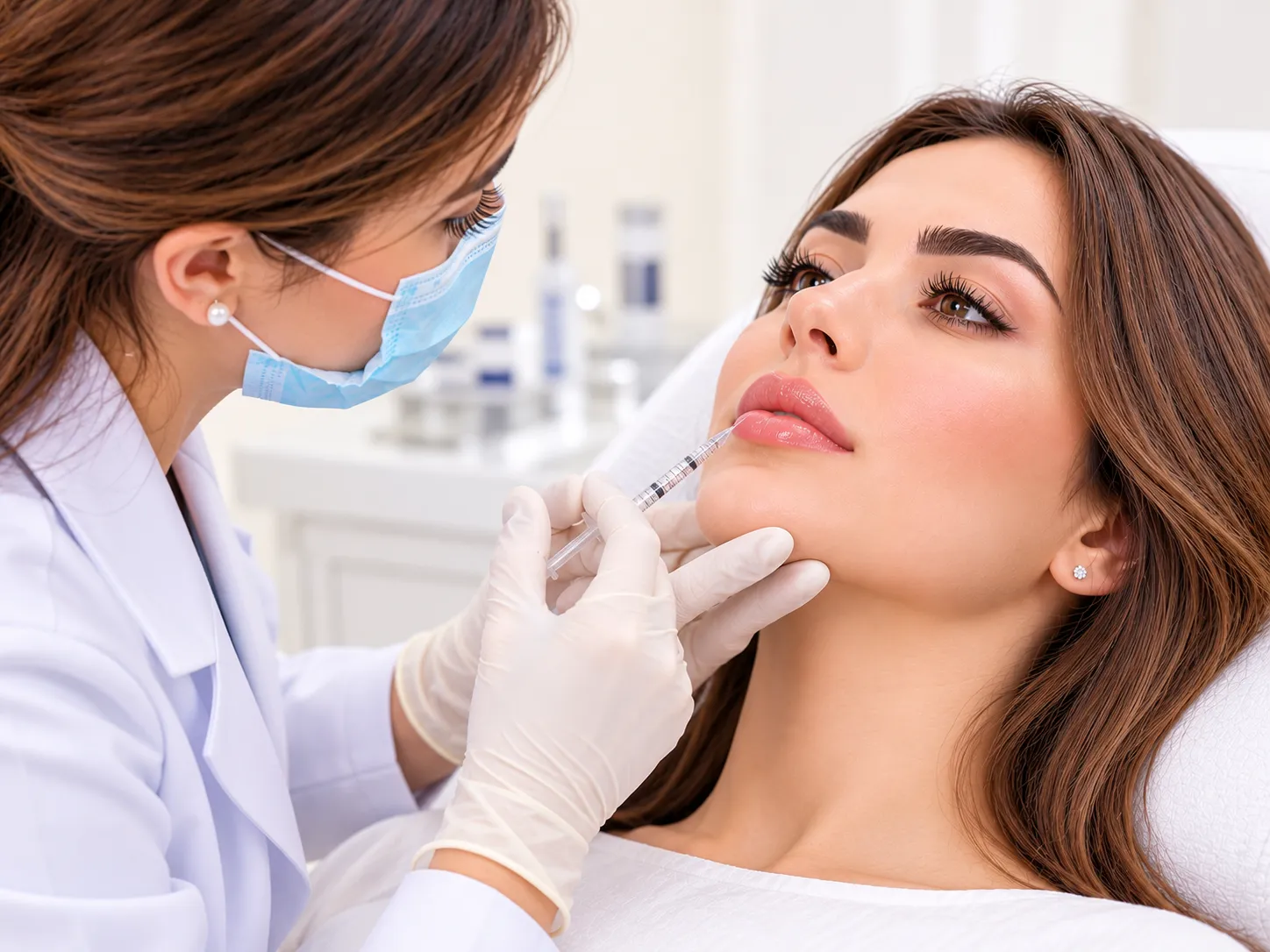
Results vary from person to person depending on the filler type, amount used and lip characteristics. The images below show the general stages of the procedure.

Before — Assessment and Preparation Before

Assessment and Preparation

The specialist assesses lip and facial features and medical history, then explains the expected result and required preparation.
During — The Procedure During

The Procedure

Injection is performed after topical numbing if needed, and usually takes 15 to 30 minutes depending on the case.

After — Recovery and Results After

Recovery and Results

Improvement is visible immediately, and swelling and bruising fade within days. Following aftercare instructions is advised for the best result.

Aftercare

Steps That Help
Recovery and Results

Cold Compresses

Gently apply cold compresses to the area in the first 24 hours to reduce swelling and bruising.

Avoid Heat

Avoid direct heat exposure (sauna, steam room, strong sun) for at least 48 hours.

Follow-Up

Follow the specialist's instructions and contact them immediately if unusual symptoms or complications appear.

Frequently Asked Questions

Questions About
Lip Filler

Is lip filler safe?
Yes, when performed by a qualified specialist using approved materials. Some risks and side effects exist and should be discussed before the procedure.
How long does lip filler last?
Duration varies by filler type, amount and body characteristics, often lasting 6 to 12 months, and some cases may need a touch-up session.
Can lip filler be dissolved?
For hyaluronic acid fillers, hyaluronidase enzyme can be used to dissolve them in specific cases. This must be done by a qualified specialist.
When can I return to daily activities?
You can return to most daily activities immediately, avoiding intense exercise and heat for 24 to 48 hours according to the specialist's instructions.
Can lip filler look natural?
Yes, when the right amount, appropriate filler type and correct injection technique are chosen. The goal is to enhance appearance in harmony with facial features without overdoing it.
We welcome your enquiry

Thinking About Lip Enhancement?

Contact us via WhatsApp to ask about available treatments and appointments.

Contact Us on WhatsApp